Field Notes · farm-gate-to-shelf

farm-gate-to-shelf

Everything we have written on this subject, most recent first. Written by the consultants who do this work, about the problems they get asked to solve most weeks.
13 posts in farm-gate-to-shelf  ·  page 1 of 2
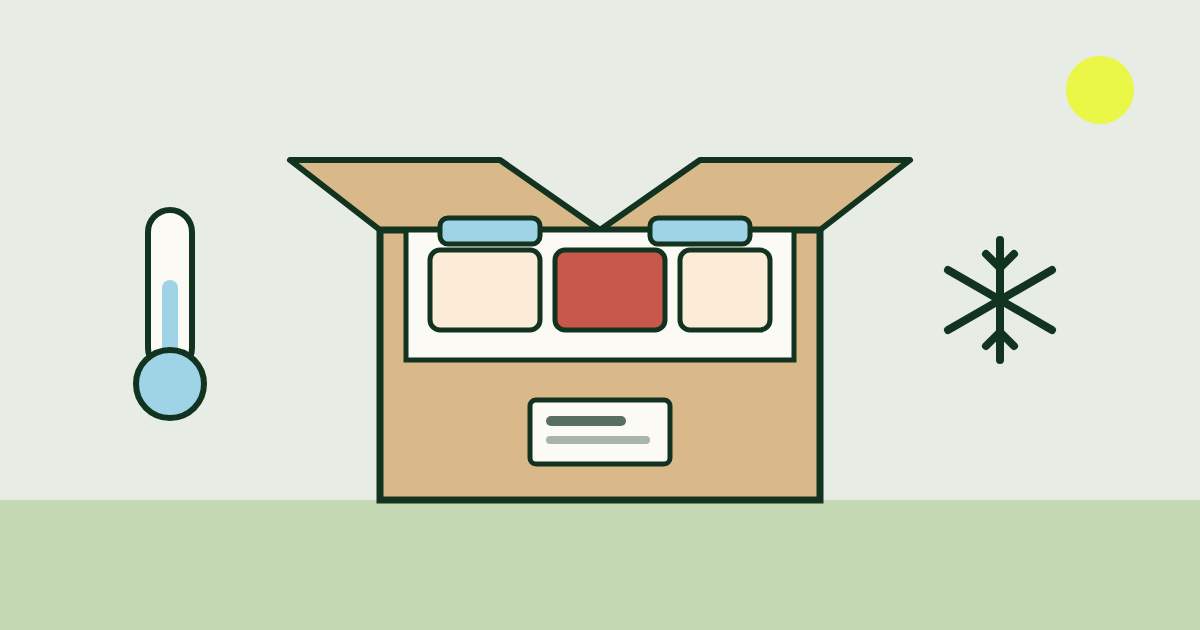
Illustration of an open shipping box packed with insulated products and gel packs, beside a thermometer and a snowflake
Cold Shipping Guide Oct 6, 2026, 6:30:00 AM

Tools and Resources to Ship Perishable Food Profitably

Shipping frozen or refrigerated food directly to customers can open up a national market for your farm or food business. It can also quietly eat your ...
Caroline Freeman Read it
Illustration of three customer review cards with five-star ratings
Farm Gate to Shelf Sep 10, 2026, 6:30:00 AM

How to Get Customer Testimonials for Your Farm or Food Business.

If you sell food (heck, if you sell anything), customer testimonials are gold. They’re a stamp of approval from real people, and they help potential ...
Jackson Baker Read it
Illustration of a hanging scale weighing a wrapped butcher-paper package, for a GrazeCart pricing and features review
Farm Business Aug 24, 2026, 5:30:00 AM

GrazeCart Review: Pricing and Pros forv Selling Meat Online

Short answer: GrazeCart is an ecommerce platform built for farms that sell meat and fresh food direct. It handles the jobs general store builders ...
Tymothe Meskel Read it
Illustration of a farm stand with a striped awning and an online store on a phone screen, for a guide to farm ecommerce platforms
Farm Gate to Shelf Aug 10, 2026, 5:30:00 AM

Best Ecommerce Platforms for Farms and Specialty Food Brands in 2026

Short answer: If you sell meat or fresh food by weight and move orders through pickup and local delivery, start with a platform built for farms: ...
Ada Broussard, Senior Design Manager Read it
Illustration of a website in a browser window showing green hills and a sun, for a guide to website builders for farms
Farm Business Jul 21, 2026, 5:15:00 AM

Best Website Builders for Farms and Specialty Food Brands in 2026

Short answer: The best website builder for your farm depends on how you sell. If your site mainly tells your story and points people to the market or ...
Ada Broussard, Senior Design Manager Read it
Ask most farm and food business owners what makes them different, and you’ll hear some version of the same answer: high quality, local, sustainably raised, family-owned. All of it may be true. The problem is that the vendor at the next booth says the same thing, and so does the label on the shelf next to yours.  A clear value proposition fixes that. It’s the plain-language reason a specific customer should buy from you instead of their other options, at your price. Get it right, and it shapes far more than your marketing. It shapes your pricing, the customers and channels you chase, and the decisions you make about what to grow, make, and sell.  What a Value Proposition Is (and Isn’t) A value proposition answers three questions:  Who is it for? A specific customer, not “everyone who eats.” What do they get? The result they care about, not just the product you sell. Why you? What you do better than their alternatives, with proof. It isn’t a slogan, a mission statement, or a list of product features. “Pasture-raised pork” is a feature. “Pork you can trust to taste the same every time, from a farm you can visit” is closer to a value proposition, because it speaks to what the customer gets.  Why It’s the Base for Business Success A value proposition sounds like a marketing exercise. In practice, it drives your numbers.  It supports your price. Customers pay a premium when they understand what they’re getting that they can’t get elsewhere. Without a clear reason, they compare you on price alone, and a small farm rarely wins that fight. It tells you who to sell to. When you know exactly who values what you do, you can spend your time and marketing on the channels where those people buy. It helps you say no. A new product, market, or wholesale account either fits your value proposition or pulls you away from it. That’s a fast filter for decisions that would otherwise eat your time and margin. It keeps your whole team on message. When everyone who talks to customers can explain why you’re different in the same words, customers remember it. How to Craft Your Value Proposition Step 1: Pick your best customer Start with your sales records, not your assumptions. Which customers buy the most, come back most often, and buy the products that earn you the best margin? That group is usually the one your value proposition should speak to. If you sell to very different audiences, like home cooks and restaurant chefs, you may need a separate value proposition for each.  Step 2: List their alternatives Your customer always has other options: the grocery store, another farm, a meal kit, or simply doing without. Write down what they would buy if you didn’t exist. You can’t explain why you’re better until you know what you’re being compared to.  Step 3: Find what you do better that they care about Look for the overlap between what you do well and what your best customer values most. The fastest way to find it is to ask. Talk to your regulars, read your reviews, and listen for the words customers use when they recommend you to friends. Those words are often better than anything you’d write yourself.  Step 4: Back it up with proof Claims anyone can make don’t set you apart. Proof does. Specific details are more believable than general ones: how your animals are raised, how quickly your product goes from field to customer, how long your family has farmed the land, or a guarantee you stand behind. If you can’t prove a claim, leave it out.  Step 5: Write it in one or two sentences Pull it together with a simple template:  For [customer] who [need], [your business] provides [offer] that [benefit], unlike [alternative].  You won’t publish it in that exact form, but it forces you to fill in every piece. Then rewrite it in your own voice, in words a customer would actually say.  What a Clear Value Proposition Looks Like Here are a few hypothetical examples to show the difference.  A beef farm selling direct  Unclear: “We sell high-quality, sustainably raised beef.” Clear: “For busy families who want to know where their beef comes from, we deliver grass-finished beef in ready-to-cook monthly bundles, from one farm you can visit.” A small-batch sauce maker  Unclear: “Delicious sauces made with love.” Clear: “Bold, small-batch hot sauces made with peppers from our own fields, for home cooks who are bored with the same three bottles at the grocery store.” A produce farm selling wholesale  Unclear: “Fresh local produce.” Clear: “Consistent weekly supply of greens harvested the day before delivery, so restaurant buyers can plan menus around local ingredients without last-minute substitutions.” Notice the wholesale example. Business buyers care about different things than home shoppers: consistency, reliable delivery, and whether your product earns them a margin. Your value proposition has to speak to the buyer in front of you.  Test It Before You Use It Run your draft through four quick checks:  Could a competitor say the same thing? If so, it’s not a value proposition yet. Get more specific. Does it justify your price? If the value you describe doesn’t explain why you cost more than the alternative, customers won’t see it either. Can you deliver it profitably? A promise you can only keep by losing money on every sale isn’t a value proposition. It’s a subsidy. Check it against your margins before you commit. Would your customers recognize it? Read it to a few regulars. If they nod and say “that’s why I buy from you,” you’re close. Put It to Work Once you have it, use it everywhere: the headline on your website, the sign at your market booth, your wholesale sell sheet, your social media bio, and the way you and your team answer “What makes you different?” It should also guide your planning. When you’re deciding on a new product, channel, or price, ask whether it strengthens your value proposition or dilutes it.  Your value proposition then becomes the foundation for your brand. Our guide to essential branding for farms, ranches, and small food brands covers how to build on it. If you want to put your value proposition next to your goals and financial targets, our One-Page Business Strategy Template is a good place to start.  Want Help Sharpening Yours? Good Roots consultants help farm and food businesses get clear on who they serve, what they sell, and how to price it profitably. See how our consulting team works, or book a free 20-minute call.  Book a meeting
Farm Gate to Shelf May 11, 2026, 6:45:00 AM

How to Write a Value Proposition for Your Farm or Food Business

Ask most farm and food business owners what makes them different, and you’ll hear some version of the same answer: high quality, local, sustainably ...

Tymothe Meskel Read it
Agribusiness Mar 13, 2026, 1:00:00 AM

Discounting Alternatives for Farm & Food Ecommerce

You can drive sales without discounting. For farms and food brands selling direct to consumers, discounting can feel like the easiest way to increase ...
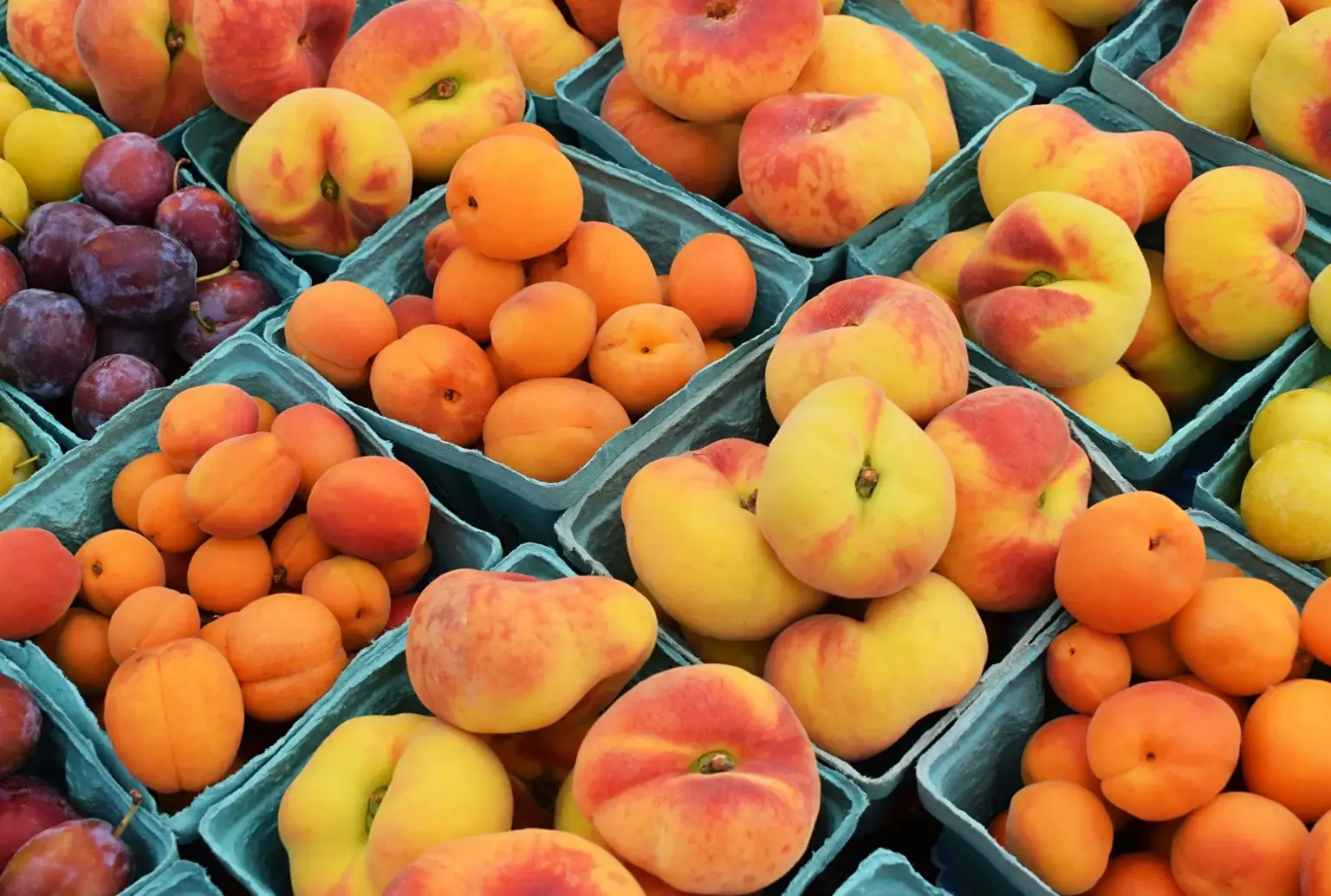
Jackson Baker Read it
Farm Gate to Shelf Sep 30, 2025, 5:30:00 AM

The Best Website Hosting Platforms for Farms and Specialty Food Brands

If you’re in business, you need a website. Your website is your home on the internet and one of the first places a potential customer will go to ...

Ada Broussard, Senior Design Manager Read it
Discover how Painterland Sisters transformed from a startup into a national brand, achieving $12M in revenue through strategic consulting and marketing support.
FCFO Sep 4, 2025, 6:45:00 AM

Painterland Sisters: Getting a Dream Off the Ground

A business consulting and marketing case study

Ted LeBow Read it

Get The Field Notes

Practical financial and marketing insight for farm and food businesses, every two weeks. Written by the same consultants who write everything above.

Subscribe to Field Notes

Two emails a month. Unsubscribe in one click, any time.

In 20 Minutes, We'll Identify Your Biggest Operational Gap

There's no pressure or obligation. Our goal is to help you leave the call with more clarity than you had going in.

Free. No obligation. Cancel the newsletter any time.